HealthcareHealthcare & Insurance
CMS lets states delay Medicaid work rule denials to June 30
States can start the Medicaid work requirement on Jan. 1, 2027 and still keep people covered through June 30, 2027 if the only problem is the work rule. The hold harmless period is optional, so timing will vary by state.
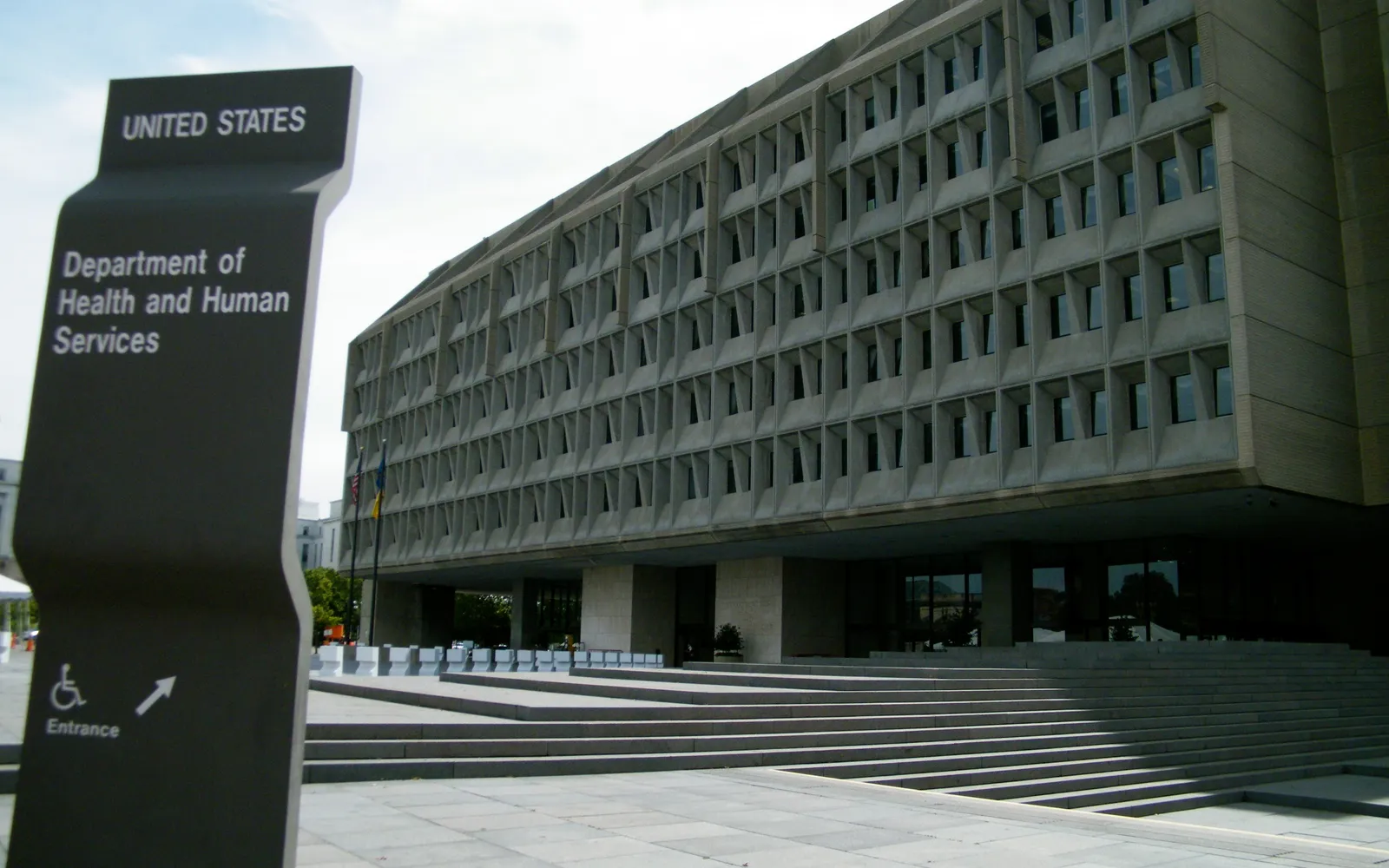
The Centers for Medicare & Medicaid Services (CMS) will let states hold off on denying applications or disenrolling otherwise eligible people for failing the Medicaid work requirement through June 30, 2027. CMS announced the optional hold harmless period on Nov. 13, 2026.
What the hold harmless period does
States that use the period will still assess whether each person meets the work requirement or is excluded from it. They will not deny applications or disenroll otherwise eligible people solely for failing to meet the requirement.
CMS said the period gives states time to modernize systems, improve processes and streamline the experience for applicants and beneficiaries. States can also learn from the early months of implementation and address workforce training needs before enforcement begins.
“If the state can use data to show that someone is working or qualifies for an exclusion, that person should not have to track down paperwork to prove it,” said Dan Brillman, CMS Deputy Administrator and Director of the Center for Medicaid and CHIP Services. “And when someone needs support, they should know exactly what to do, when to do it, and where to go.”
What CMS wants states to fix
CMS strongly encourages every state implementing the work requirement to take four steps:
- Maximize automated verification. Use reliable data the state already holds to verify qualifying activities and identify people who qualify for exclusions before asking them for more information.
- Make the process clear. Send clear, timely notices that explain what the state has already verified, what is still needed, and how to respond or get help.
- Test the whole process. Confirm that data matching, notices and eligibility decisions work together. Test how systems handle missing, outdated or conflicting information, and fix problems as they surface.
- Promote Paths to Prosperity. Work with community partners to connect people who need help with employment, education, job training and volunteering.
Why it matters
The start date does not move. Beginning Jan. 1, 2027, certain Medicaid applicants and beneficiaries ages 19 to 64 must meet a statutory work requirement unless excluded. CMS’s June 2026 interim final rule counts 80 hours a month of work, community service or a work program; enrollment in an educational program at least half time; a mix of activities totaling at least 80 hours a month; or meeting a monthly income threshold.
In a state that opts in, a person who falls short of the work rule before July 2027 keeps coverage if they are otherwise eligible. In a state that does not, the same shortfall can lead to a denial or a disenrollment once the requirement takes effect.
Because the period is optional, the map will differ by state. Medicaid managed care plans, health systems and community health centers should track which of their states opt in. They should also watch the notices states send, since assessments continue during the period and members will still get requests for information.
The guidance lands two weeks after a federal judge in Boston blocked CMS’s definition of “medically frail” in the same work requirement rules, as we reported Oct. 29.


 dhhs.ne.gov