41.8%: Medicare drug plans lean on coinsurance in 2027
More covered drugs in Medicare Advantage plans will cost a percentage of the price next year instead of a flat copay, a Health and Tech Now analysis of CMS plan files finds. Local PPOs moved the most.
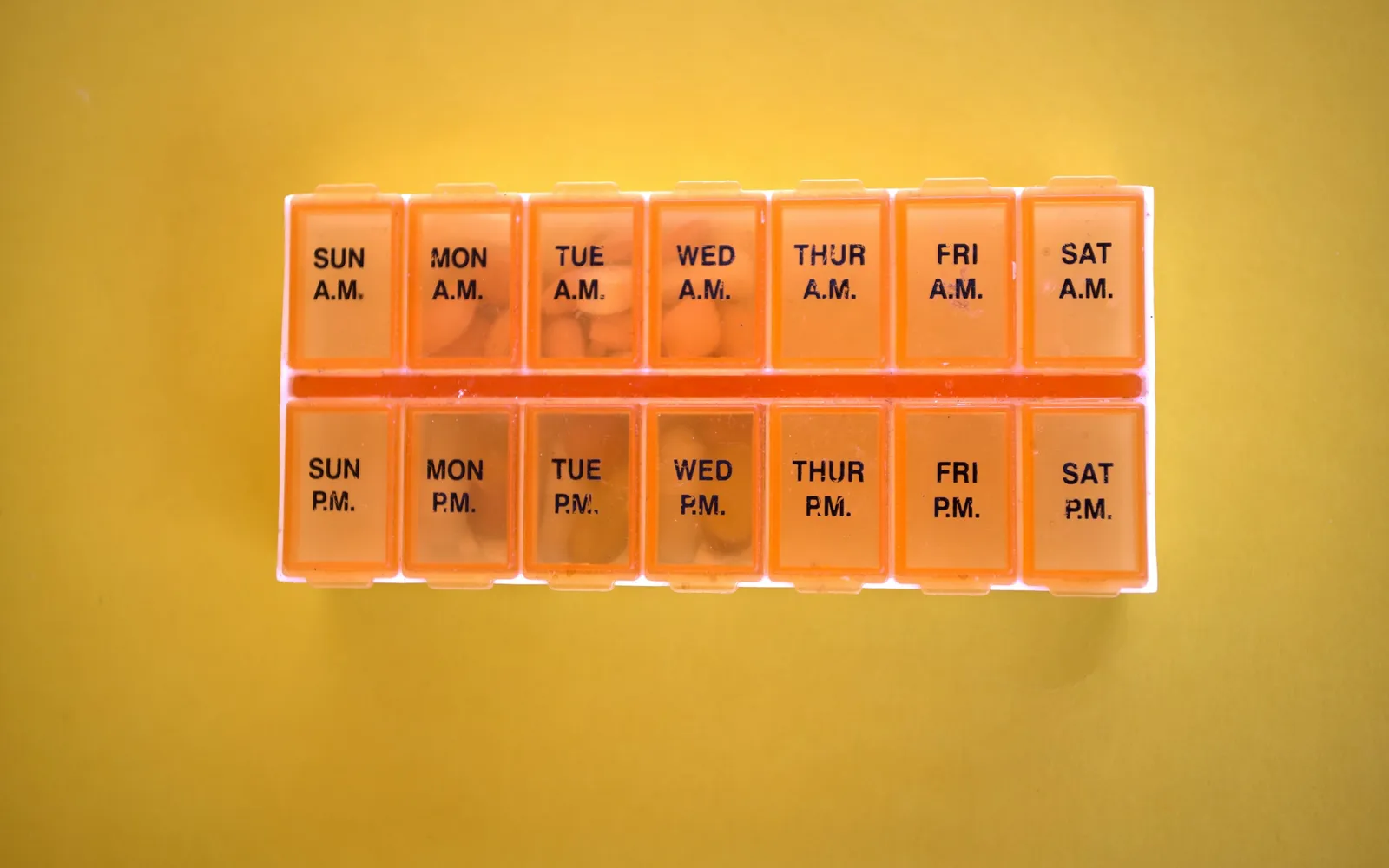
More drugs covered by Medicare plans will cost a percentage of their price in 2027 instead of a flat copay. Across all Medicare drug plans, 41.8% of plan and drug pairings sit on a coinsurance tier for 2027. This year it is 36.3%. That is from a Health and Tech Now analysis of CMS formulary files and plan benefit files.
The shift was first flagged by Alex Borges, PharmD, in a LinkedIn post on Oct. 27. We rebuilt his numbers from the same public CMS files, and every product line matched his within 0.2 percentage points.
How we count it
Each plan covers a list of drugs, and each drug sits on a cost tier. We counted every pairing of a plan and a covered drug. For each one we asked: does that tier charge coinsurance at a standard retail pharmacy for a one month supply?
A coinsurance tier means you pay a share of the drug’s price. A copay tier means you pay a set dollar amount.
The measure counts plans equally. It is not weighted by enrollment or by drug price, and it shows whether coinsurance applies, not how high the rate is.
One rule shapes the results. Plans with a preferred pharmacy network report their standard retail cost in a separate field, so this measure counts them as no coinsurance. That rule is why standalone drug plans (PDPs) read low.
The numbers
Share of plan and drug pairings on a coinsurance tier, per CMS files. The 2026 figure uses the file posted Sep. 23, 2026, and 2027 uses the one posted Oct. 15:
- All drug plans: 36.3% to 41.8%
- HMO and HMO POS: 38.1% to 42.1%
- Local PPO: 36.7% to 46.0%
- Regional PPO: 51.5% to 60.1%
- Standalone PDP: 15.6% to 15.4%
Local PPOs moved the most, up 9.3 points. Regional PPOs, a small group, already had the highest share.
PDP members should not read the 15.4% as good news. We also counted standard retail cost sharing for every plan, including those with preferred networks. On that count, about three in four PDP pairings use coinsurance: 74.6% in 2026 and 75.0% in 2027, from the same CMS files.
On the broader count, all plans go from 60.1% to 63.7%. Both measures point the same way for Medicare Advantage: up.
Where it jumped
Some states changed far more than the national figure. This cut covers Medicare Advantage drug plans only and compares the CMS launch files from October 2025 and October 2026:
- New Hampshire: 44.8% to 69.2%
- Vermont: 45.4% to 67.3%
Not every state rose. Wyoming’s share fell.
Why plans are doing this
Borges ties the shift to the redesigned Part D benefit, which moved more drug cost onto plans. Coinsurance lets plans pass part of that cost to members as drug prices rise. Medicare Advantage plans can offset some of it with extra benefits paid from their Part C rebates. Standalone drug plans compete on premium and drug benefit alone, he wrote.
Why it matters to you
With a copay, you know the price at the counter. With coinsurance, what you pay moves with the drug’s list price, so a pricier drug costs you more.
Before you pick a 2027 plan, look up each of your drugs in Medicare Plan Finder. Check whether its tier shows a dollar copay or a percentage. If you take costly drugs, ask your plan about the Medicare Prescription Payment Plan, which spreads drug costs into monthly bills.
For other changes this fall, see Medicare open enrollment opens with Part D changes.
 CMS, Monthly Prescription Drug Plan Formulary file, CY2027 (2027_20261008), posted Oct 15, 2026
- CMS, Monthly Prescription Drug Plan Formulary file, CY2026 (2026_20260916), posted Sep 23, 2026
- CMS, Prescription Drug Plan Formulary file, CY2026 launch (2026_20251020), posted Oct 15, 2025
 CMS, Plan Benefit Package (PBP) benefits data, 2027 and 2026
 Alex Borges, PharmD, Sharing the Liability: MA Plans Lean Into Coinsurance for 2027, LinkedIn, Oct 27, 2026
 commonwealthfund.org

 KFF