FDA drops boxed warning on 3 more menopause patches
Three estradiol skin patches no longer carry heart disease, breast cancer and dementia statements in their top warning. Patch output has doubled in a year, and the FDA says it sees no imminent national shortage.
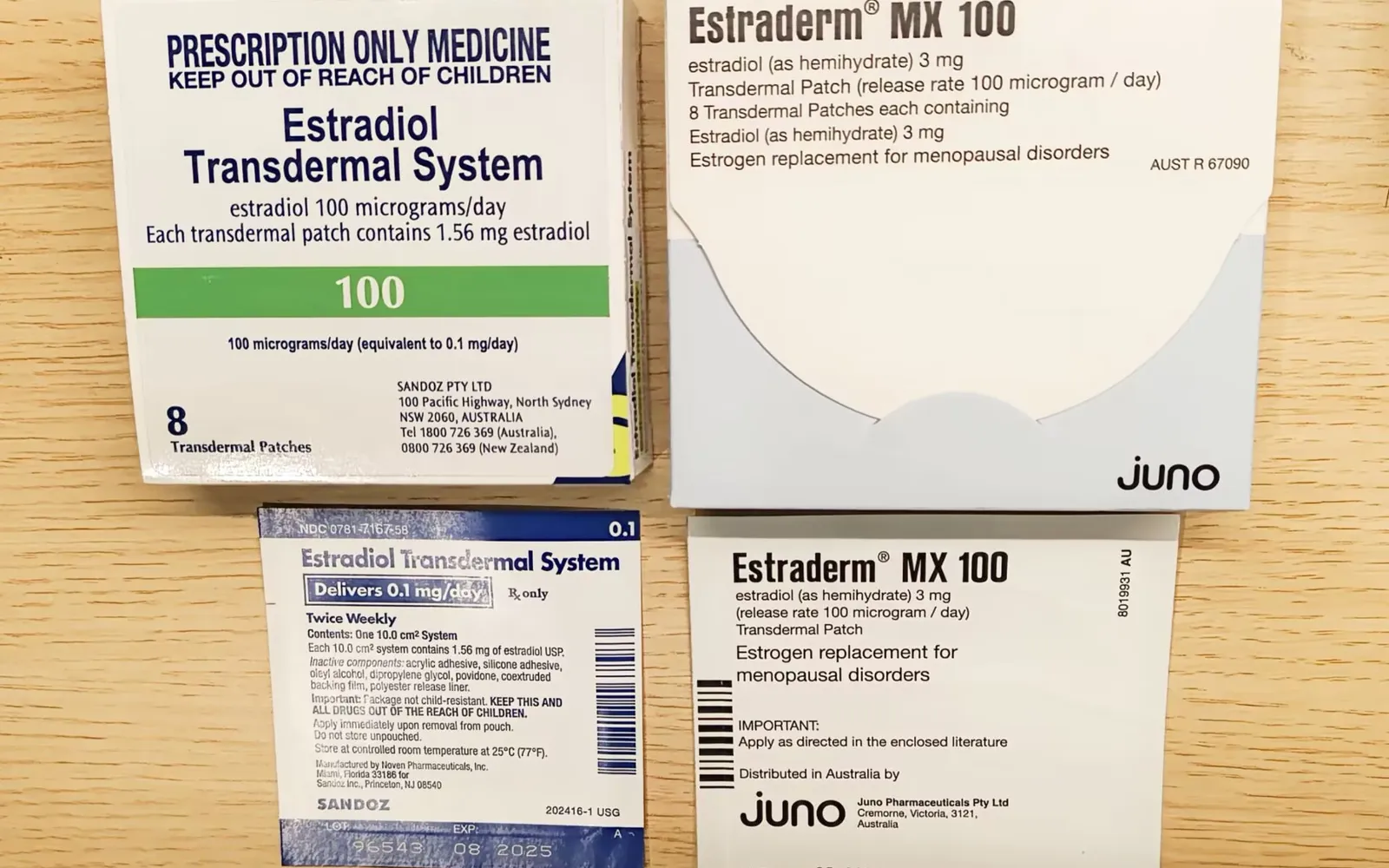
The FDA approved new labels for 3 estradiol skin patches that remove heart disease, breast cancer and probable dementia from the boxed warning, the Department of Health and Human Services said Oct. 30. The boxed warning is the FDA’s most prominent safety warning on a drug label.
The 3 patches come from two drugmakers. HHS did not name the brands, and Reuters reported that the department did not answer its request for them.
That makes 9 menopause hormone therapy products with the change. The FDA approved the first 6 in February.
What changed
The three statements came out of the boxed warning section only. HHS called them “outdated” and said the change follows a new review of the scientific literature.
The FDA laid out its case in February. Randomized studies show lower death rates from any cause and fewer fractures in women who start hormone therapy within 10 years of menopause, the agency said. That generally means before age 60.
It also put a number on how few women use it. In 2020, about 41 million U.S. women were ages 45 to 64. About 2 million women ages 46 to 65 got a hormone therapy prescription.
29 drugmakers in line
The FDA asked companies in November 2025 to send in label revisions. 29 drug companies have done so, HHS said. The agency says it is moving “expeditiously” on the rest.
The February batch covered all four kinds of menopause hormone therapy. Those are estrogen with a progestogen, estrogen alone, progestogen alone for women with a uterus who take estrogen, and vaginal estrogen. Friday’s batch is patches only.
The supply squeeze
The FDA expected the new labels to send more women looking for treatment they had been warned away from, HHS said. Demand has jumped, and some women report trouble finding their usual patch.
Six companies make FDA approved estradiol patches. HHS said they have added production capacity and extra shifts, and patch output has doubled in the last 12 months. The FDA said it is not aware of an imminent risk of a nationwide shortage. Reuters reported the agency has not put the patches on its shortage list.
The FDA named three other routes to supply:
- Outsourcing facilities. Estradiol is on the FDA’s Category 1 list for 503B compounders. The agency does not plan to act against those facilities for compounding it, if they meet certain conditions.
- Pharmacy compounding. Under 503A rules, a pharmacy can still compound for one patient with a valid prescription.
- Over the counter. The FDA is working with drugmakers on whether vaginal estrogen could be sold without a prescription. That switch would need FDA approval and evidence that people can choose and use it safely on their own.
What to do if your patch is out
HHS tells women who can’t find their usual patch to ask their pharmacist or doctor about an available alternative. Supply varies by brand, strength, once a week or twice a week dosing, and location.
Patches are one option. The FDA said it is also watching supply of gels and creams.
Why it matters
The boxed warning sits at the top of a drug’s prescribing label. For 9 products, it no longer leads with heart disease, breast cancer and dementia. The other drugmakers that filed are still waiting on a decision.
The open problem now is supply. Output has doubled, and the FDA still points women to compounders, other brands and other forms.
Related coverage
The FDA approved the first generic Climara Pro menopause patch. A presidential order told NIH to create a Women’s Health Division.
 HHS, Trump Administration Delivers for Women with Major Advances in Menopause Care, Oct. 30, 2026
 FDA, FDA Approves Labeling Changes to Menopausal Hormone Therapy Products, Feb. 12, 2026
- Reuters via WTVB, US health department to remove broad black box warning from three estrogen patch products, Oct. 30, 2026
 Nature
 American Heart Association

 Federal Register