US colon cancer rate rose to 38.3 per 100,000 in 2023
After falling for two decades, the colorectal cancer rate in U.S. adults went up in 2023, the first rise since national tracking in this data set began in 2000. The increase showed up in every age group up to 65 to 69.
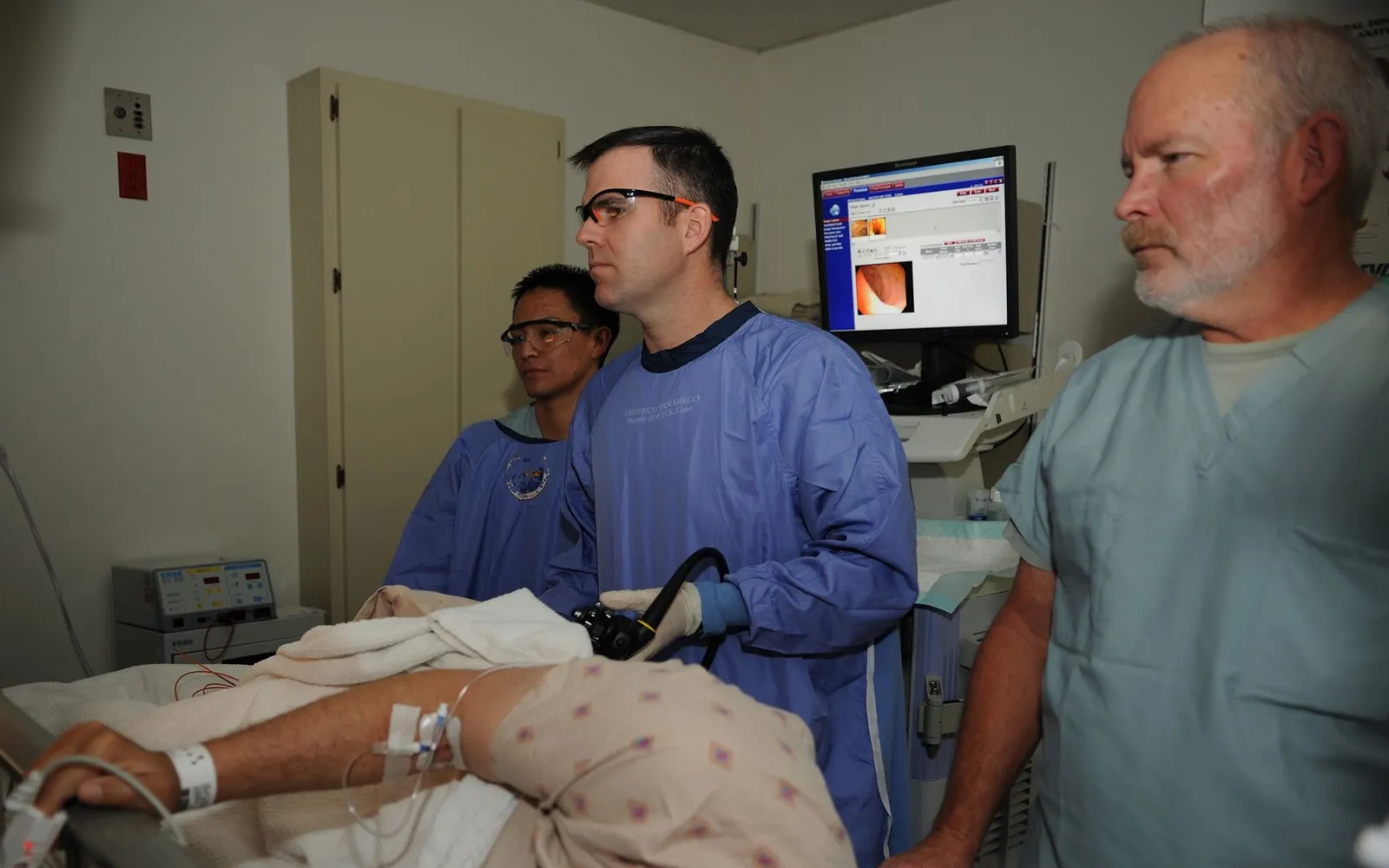
The colorectal cancer rate in U.S. adults rose to 38.3 cases per 100,000 in 2023, up from 36.7 in 2022, according to a report published Oct. 27 in NEJM Evidence. It is the first increase since the National Cancer Institute’s SEER 21 registries began in 2000.
The rate had been falling for two decades. It was 55.2 per 100,000 in 2000.
“This is the first time that we have seen an increase in the overall rate in more than 20 years,” study leader Caitlin Murphy of the University of Chicago said, Reuters reported.
What the data show
The authors used SEER data released in April 2026. SEER 21 covers 21 cancer registry areas and 45.8% of the U.S. population. The authors adjusted rates for age and for delays in reporting.
The joinpoint model, which fits trend lines to the yearly rates, shows the shift:
| Years | Yearly change in the rate |
|---|---|
| 2000 to 2008 | down 2.48% |
| 2008 to 2012 | down 3.74% |
| 2012 to 2021 | down 0.86% |
| 2021 to 2023 | up 2.76% |
The rise held for men and women, for every part of the colon and rectum, for every stage at diagnosis, and across race and ethnicity. Rates by age went up in every group through ages 65 to 69. They leveled off at older ages.
The authors call the increase “modest.” Their confidence intervals were not adjusted for multiple comparisons, and they say the finding needs more tracking as registries add each new year.
Not just younger adults
Doctors have warned for years about colorectal cancer in people under 50. Among adults 20 to 49, incidence rose 3% a year from 2013 to 2022, Reuters reported, citing the American Cancer Society. By 2026 it was the leading cause of cancer death in that age group.
The new report says the climb has spread to older ages.
The fastest rise was in people 45 to 49: 12.76% a year from 2019 to 2023. The authors say that jump likely reflects more screening after national guidelines lowered the start age to 45. The U.S. Preventive Services Task Force recommends screening for adults 45 to 49 and for all adults 50 to 75.
The authors flag ages 65 to 74 as the bigger worry. Those groups saw the largest drops in the past, and about 80% are up to date on screening. Rates rose for 65 to 69 year olds and stopped falling for 70 to 74 year olds. “Previous gains from screening may now be offset by as yet unknown risk factors,” they write.
Is it a pandemic catch up?
The authors do not rule out a catch up from screenings missed during Covid. They call it unlikely to explain the 2023 rise. Rates went up at local, regional and distant stages with no big shift in stage. The trend still held when they dropped 2020 and 2021 from the model. Screening in 10 U.S. health systems was back to prepandemic levels by January 2021.
Their best guess is a birth cohort effect. People born in the 1960s and later carry a higher risk, and they are now reaching middle and older age.
What it means for you
The task force recommends screening starting at 45. Ask your doctor about which test fits you.
The authors expect a rising rate in a large, aging population to mean more diagnoses and more demand for cancer treatment and survivorship care.
Related coverage
A European trial found 92.4% of women who skipped chemo for HER2 positive breast cancer were disease free at 5 years.
 Murphy et al., Colorectal Cancer among U.S. Adults, 2000 to 2023, NEJM Evidence Public Health Alerts (with CIDRAP), Oct. 27, 2026, DOI 10.1056/EVIDpha2600217
- CIDRAP, Colorectal cancer climbed a bit in 2023, new Public Health Alerts report shows, Oct. 27, 2026
- Reuters via WHBL, Health Rounds: Rise in US colon cancer rates not limited to young adults, Oct. 30, 2026
- U.S. Preventive Services Task Force, Colorectal Cancer: Screening
- National Cancer Institute, SEER Program
 Eli Lilly

 FDA
 Bristol Myers Squibb