HHS lets pharmacies compound 6 unapproved peptides now
An interim policy filed Oct. 28 pauses enforcement against compounders that use BPC-157, TB-500 and four other peptides. None is FDA approved. HHS calls the policy temporary while FDA writes a rule.
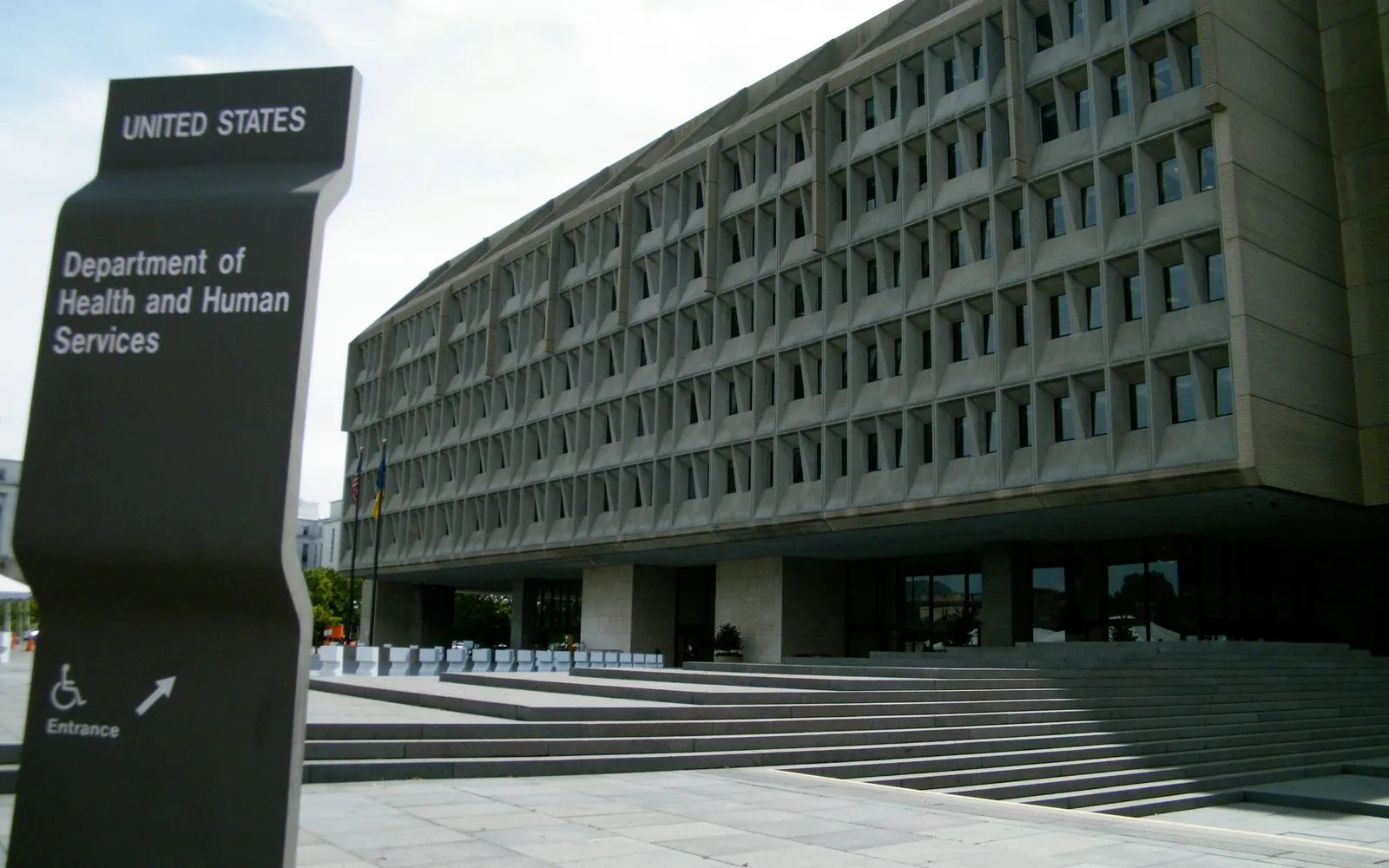
HHS will not take enforcement action against licensed pharmacies, federal facilities or physicians that compound 6 unapproved peptides, according to a notice filed Oct. 28. It publishes in the Federal Register on Oct. 30.
The six are BPC-157, epitalon, KPV, MOTS-c, semax and TB-500. None is approved by the FDA. BPC-157 and TB-500 are often taken together as a combination sold as the “Wolverine stack,” Reuters reports. The agency’s own scientists concluded there is not enough data to show they are safe and effective, NBC News reports.
Why it matters: these peptides have mostly been sold online labeled “for research use only.” Now a patient with a prescription can get them from a licensed compounding pharmacy that must certify what is in the vial.
What the notice does
Pharmacies that compound under section 503A of the drug law can normally use only ingredients on an FDA list of approved bulk substances. Adding one takes a proposed rule, public comment and a final rule.
The notice skips that wait. It says HHS will hold off on enforcement “while the 503A bulks list is developed through rulemaking.” FDA’s future rules “may propose adding some or all of these peptides” to the list.
Compounded drugs are not FDA approved. FDA does not review their safety, effectiveness or quality before they are sold, the notice says. HHS can drop the policy if “a safety signal or product quality issue arises.”
The White House regulatory office finished its review on Oct. 27. Comments are open for 2 weeks after publication on docket HHS-OASH-2026-0496.
The conditions
Pharmacies must certify the identity and purity of each peptide and buy from FDA registered manufacturers, per NBC and Reuters. They must report side effects, which NBC says was not required before. Labeling and patient specific prescription rules apply.
How it got here
In July, an FDA advisory panel narrowly voted to add all six to the bulks list. NBC reports the panel included six new appointees with ties to the peptide industry. HHS told Reuters all members cleared standard ethics checks.
Health Secretary Robert F. Kennedy Jr. has called himself a “big fan” of peptides. HHS said the policy will steer people away from research peptides made by foreign manufacturers that “pose a safety risk to US patients.”
Lee Rosebush, chair of the American Academy of Peptide Medicine, called it a “landmark regulatory milestone.”
Jeff Cohen, cofounder of the American Peptide Association, told Reuters that states may not follow the federal move.
 Federal Register public inspection, HHS notice 2026-22192, filed Oct. 28, 2026
 NBC News, RFK Jr. takes shortcut to make some unapproved peptides available, Oct. 28, 2026
 Reuters via Investing.com, US health department to allow temporary sale of some unapproved peptides, Oct. 28, 2026
 OIRA, conclusion of review, RIN 0910-ZD94, Oct. 27, 2026
 FDA
 CMS
 Merck