HealthcareEmployer Benefits & ACA
Labor rule makes PBMs disclose rebates, sees $22B in savings
A final Labor Department rule makes pharmacy benefit managers tell large self insured employer plans what drugmakers and pharmacies pay them. Those plans cover about 90 million Americans. It starts with plan years on or after July 1, 2027.
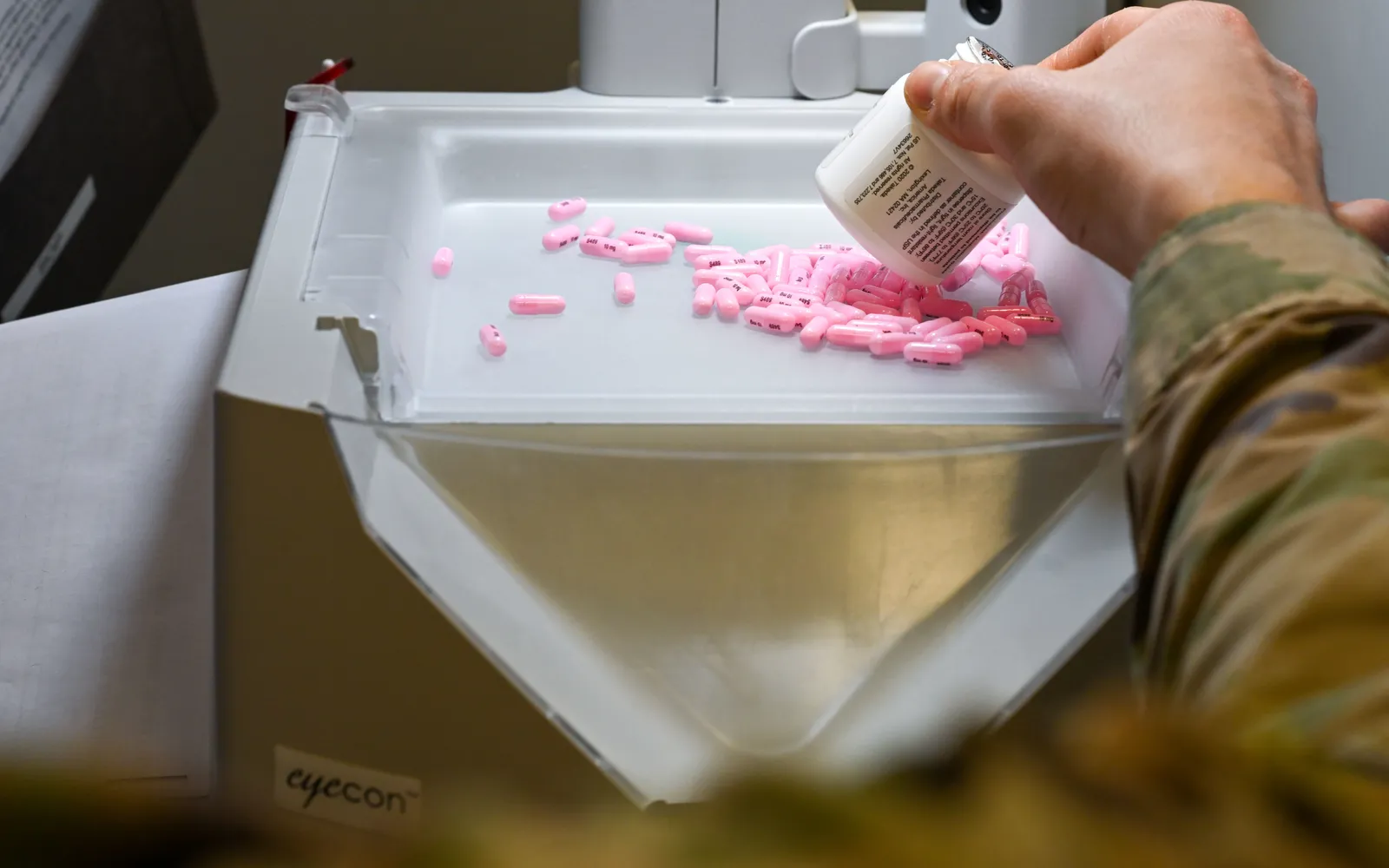
A final rule from the U.S. Department of Labor would lower prescription drug costs for health plans and workers by as much as $22 billion over 10 years, the department projects. Issued Oct. 29, it makes pharmacy benefit managers show large employers how much drugmakers and pharmacies pay them.
The rule covers self insured group health plans run by large employers. Those plans cover about 90 million Americans, the department says. PBMs sit in the middle of the drug supply chain for those plans. They negotiate with drugmakers, build the list of covered drugs and pay pharmacies.
What PBMs must now disclose
For the first time, PBMs must tell the employer running the plan about three kinds of money:
- Rebates and other payments from drug manufacturers.
- Spread pricing, meaning what the PBM keeps when the plan pays more for a drug than the PBM pays the pharmacy.
- Money the PBM claws back from pharmacies on prescriptions filled for the plan’s members.
The rule also reaches brokers and consultants tied to a PBM. They must disclose their own fees and compensation.
Disclosures come when a PBM signs, renews or extends a contract, and then every six months, Healthcare Dive reports. Employers can audit the disclosures once a year. Plans can also ask for quarterly reports, according to law firm Husch Blackwell. The rule applies to plan years that start on or after July 1, 2027. For a plan that runs on the calendar year, that means Jan. 1, 2028.
A PBM that fails to disclose can face penalties and could see its contract voided, Healthcare Dive reports.
Why employers wanted it
The Labor Department says employers often can’t see the full picture of what PBMs and their affiliates collect. The rule lets them use that data to negotiate contracts and push for lower drug prices.
“For years, PBMs have operated in the shadows, pocketing hidden fees while workers and employers were left in the dark,” Labor Secretary Keith Sonderling said in the release.
“When employers can finally see what PBMs are really being paid, they can negotiate harder, cut out the waste, and pass real savings on to their workers,” said Daniel Aronowitz, who heads the department’s Employee Benefits Security Administration.
The market is concentrated. Express Scripts, owned by Cigna, CVS Caremark and UnitedHealth’s Optum Rx together handle about 80% of U.S. prescriptions, Healthcare Dive reports.
The pushback
The Pharmaceutical Care Management Association, the main PBM trade group, says Congress already wrote PBM transparency into law earlier this year in the Consolidated Appropriations Act, 2026. “All of this has long made the DOL’s desire to create another reporting system unnecessary, redundant, and extraordinarily burdensome, particularly for smaller PBMs,” PCMA chief executive David Marin said, according to Healthcare Dive.
The department says the rule carries out that same law and adds upfront disclosures that help plans compare PBMs before they sign.
What it means for workers
Nothing changes at the pharmacy counter right away. The rule gives employers numbers. Whether workers pay less depends on what employers do with them at contract time.
It also has limits. The rule covers only large self insured employer plans. Plans that employers buy from an insurer fall outside it.
Related coverage
CMS has its own proposal on Medicare Advantage directories and PBM pay. Lilly’s third quarter sales jumped 39% on Mounjaro and Zepbound.


 KFF
 Sen. Ron Wyden
 Federal Register