Oura adds Cardio Effort and automatic VO2 max to its ring
Weekly workout strain now lands in one of five bands. VO2 max estimates itself after five GPS workouts, as an experimental Oura Labs feature.
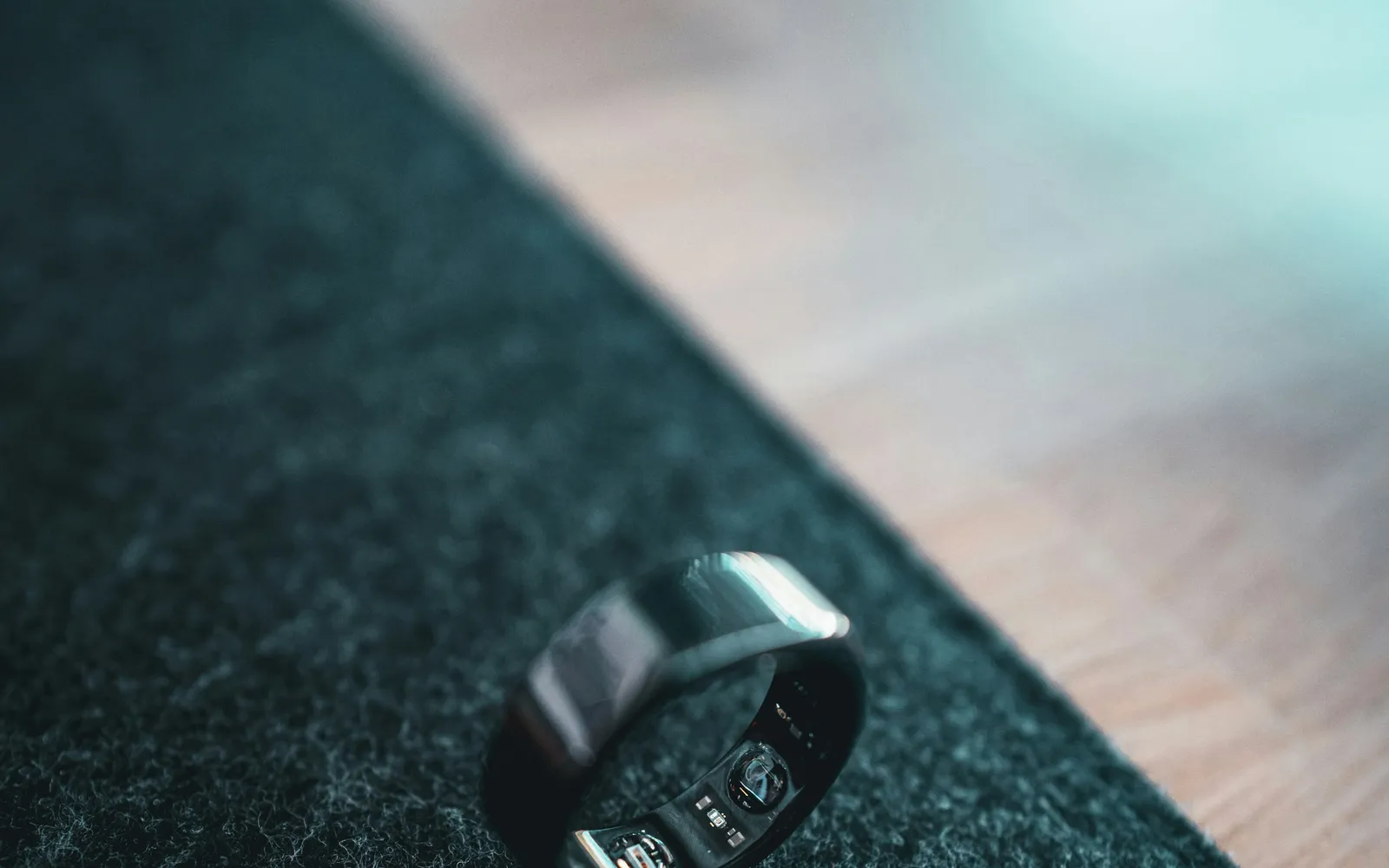
Oura announced two new features for its smart ring on Oct 20. Cardio Effort measures how hard the heart worked during a workout. Automatic VO2 max estimates aerobic fitness from ordinary workouts.
Cardio Effort
Cardio Effort combines how intense a workout was with how long it lasted. Oura says it is built on Training Impulse (TRIMP), an established training-load method, and that it sets a personal range from each member’s baseline and resting heart rate instead of population formulas. A long easy walk and a short interval session can score about the same.
The weekly total starts at zero and builds as you move. Oura compares it with your own baseline and puts the week in one of five bands: Light, Fair, Maintaining, Building or Reaching. A Reaching week comes with a suggestion to consider rest. The ranges come from a rolling six-week window and appear after two weeks of use. The score has no maximum and is not out of 100. When heart rate data is missing, Oura shows an estimate and labels it.
Automatic VO2 max
The VO2 max feature replaces what Oura called Cardio Capacity, which needed a dedicated six-minute walking test. It now estimates maximum oxygen uptake from regular GPS-enabled workouts. It is in Oura Labs, Oura’s area for experimental features, and works on Gen3 rings and later. The first estimate arrives after five qualifying walks, runs or hikes. Results show in ml/kg/min with a category of Low, Fair, High or Peak. Members can save a lab test result separately, and it will not overwrite Oura’s estimate.
The Medicare connection
These are fitness features, and Oura describes them in terms of training load and recovery. Under FDA’s Jan 6, 2026 general wellness guidance, a non-invasive device that estimates values such as heart rate variability can be treated as a wellness product if the outputs are meant only for wellness and do not prompt specific clinical action.
Oura’s data is also heading toward Medicare care. On Sept 17, Oura said Counsel Health will offer AI-based chronic care to eligible Medicare beneficiaries through CMS’s ACCESS model starting in early 2027, and will use Oura data from patients who consent to share it.
Why it matters
As ring data starts to reach Medicare clinicians through programs like ACCESS, the line between a wellness estimate and a clinical reading will decide what a doctor can actually do with a number like VO2 max.


 CMS

 Oscar Health