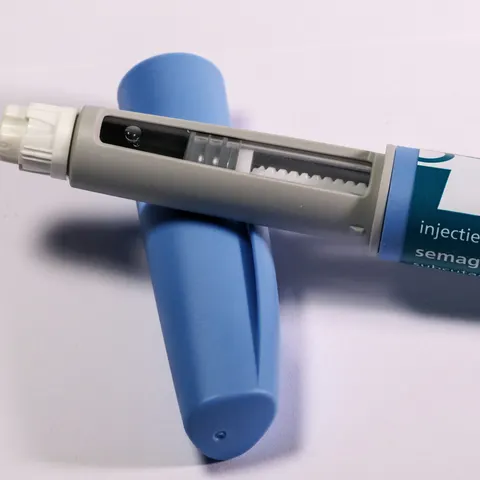
FDA approves Hibsago, a hepatitis B drug that lets some patients stop treatment
In two trials, 24% of patients on Hibsago qualified to stop their hepatitis B medicine. None of the patients on placebo did.

The Food and Drug Administration approved Hibsago (bepirovirsen) on Oct 20 for chronic hepatitis B in certain adults without cirrhosis. Patients take it together with the antiviral medicine they already use. FDA says it is the first approved antisense oligonucleotide for chronic hepatitis B.
Today, many people with chronic hepatitis B take an antiviral for years to keep the virus suppressed. Hibsago aims to get some patients to the point where they can stop all hepatitis B treatment and still keep the virus under control.
Who qualifies
The label is narrow. A patient must have taken antiviral therapy for at least six months, have suppressed virus levels in the blood, and have hepatitis B surface antigen (HBsAg) at 3,000 IU/mL or less. That level has to come from an FDA-authorized test. The same day, FDA authorized a Roche assay, the Elecsys HBsAg II quant II RxDx, as the companion diagnostic for picking patients and monitoring them during treatment.
What the trials found
Hibsago targets the genetic instructions the virus uses to copy itself and make viral proteins. It is injected under the skin for up to 24 weeks. Patients keep taking their existing medicine during that time and for at least 24 weeks after the last injection. After that, some may stop if they meet health and lab test requirements.
Researchers compared Hibsago with a placebo in two clinical trials. Across both, 24% of patients on Hibsago met the requirements to stop their existing medicine. No one on placebo did. Twenty-four weeks after stopping all hepatitis B treatment, 19% of Hibsago patients still had the virus under control and no detectable HBsAg in their blood.
Safety
Hibsago carries a boxed warning for serious liver reactions and for low platelet counts, which can raise the risk of life-threatening bleeding. The label also warns about worsening kidney function, serious inflammatory reactions such as vasculitis, and risks if the injection is given the wrong way. Patients need regular blood tests before and during treatment. The most common side effects, leaving out lab abnormalities, were injection site reactions, fever, fatigue and headache.
FDA gave the drug Fast Track and Breakthrough Therapy designations and a Priority Review. The approval went to GSK. FDA’s announcement does not include a price.
Why it matters
Payers will weigh a fixed 24-week course against years of antiviral refills, and the companion HBsAg test, not the diagnosis alone, will decide who is eligible.

 CMS
 Oscar Health

 NovoCare (Novo Nordisk)